Will a Heat Pump Raise My Electric Bill? | HeatPumpAtlasUSA

Guide

Will a Heat Pump Raise My Electric Bill?

Will a heat pump raise my electric bill? Yes. The heat pump electric bill question is whether your total energy bill falls after gas, oil or propane drops. Here is how to work that out.

Written by HeatPumpAtlasUSA Editorial Reviewed by HeatPumpAtlasUSA Editorial Updated How we calculate this
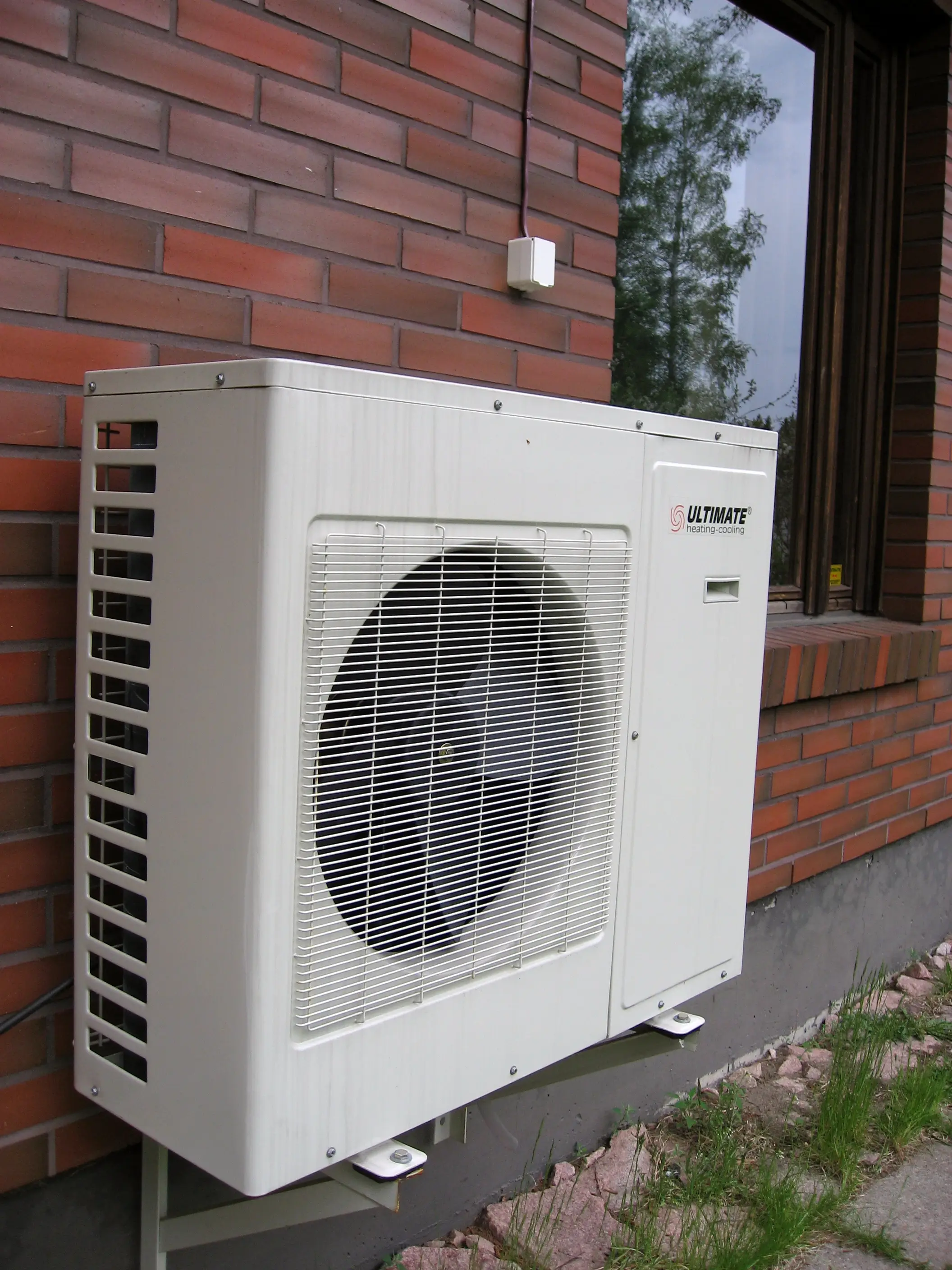
Heat pump condenser unit, the appliance that shifts heating onto the electric bill

Will a heat pump raise my electric bill? Yes. That is the question homeowners actually ask, and it is the one most heat pump content answers dishonestly by talking about efficiency instead of bills.

Start with the honest answer

Your electric bill will rise. You are moving a large load, space heating, onto electricity, and in a cold climate that load is substantial. Anyone who tells you otherwise is either confused or selling something.

The reason the switch can still save money is simple: the fuel you stop buying is usually more expensive per unit of heat than the electricity you start buying. A heat pump moves two to three units of heat per unit of electricity, so even at a high power price it can beat oil, propane or electric resistance. Against cheap natural gas, it often cannot.

The numbers

For a typical 1,800 square foot home in a 5,000 degree day climate, a cold-climate heat pump adds roughly 7,000 to 9,000 kilowatt hours per year of space heating load. At the national average residential rate of about 18 cents per kilowatt hour, that is roughly $1,300 to $1,600 per year on the electric bill.

That is the number to prepare for. What offsets it is the fuel bill you no longer pay. If you were spending $2,800 a year on heating oil, the arithmetical question is whether the new $1,500 electric increase is smaller than the $2,800 you stopped spending. It usually is, and by a wide margin.

If you were spending $900 a year on natural gas, the same arithmetic goes the other way, and the heat pump may cost you money.

The operating cost page shows which states fall into which category, and the calculator produces the specific figure for your ZIP and your fuel.

Why the electric line rises more than people expect

Three reasons, and all three are worth understanding before the first winter.

Backup heat. If the system uses electric resistance elements when it is very cold, and the system was sized or configured poorly, those elements can run far more than expected. That is a large, direct electric load and it shows up quickly. It is the most common reason a real bill misses a model.

Short cycling. An oversized heat pump reaches its setpoint quickly, shuts off, and restarts. That is less efficient in practice than the rated performance, and it also wears the equipment. Correct sizing matters more than the equipment tier.

A leakier house than assumed. The model uses your square footage, vintage and an insulation estimate. If the house is draftier than that, the load is larger and the bill is larger with it.

All three point at the same conclusion: the quality of the installation matters more than the brand on the box.

The rate question

Before you assume you will pay the standard residential rate, ask your utility directly. Several offer a seasonal heat pump rate that is lower during the heating season, and some require enrolment that is not automatic.

This is more valuable than most homeowners expect. A rate reduction applies every year, whereas a rebate applies once. In Massachusetts, where electricity runs near 30 cents per kilowatt hour, the seasonal rate can be worth more over ten years than the capital incentive. Ask the question before you size the system, so you can model the right number.

The honest test

The cleanest way to decide is to price both paths before you commit, which is what the calculator does. If it shows your total energy cost falling, the project is financially sound on operating cost. If it shows the total rising, then the case rests on comfort, cooling, incentives or avoiding a fuel you dislike, and those are legitimate reasons as long as you know that is what you are buying.

What you should not do is accept an estimate that shows a large saving without showing you the rate it used. If a contractor quotes a saving, ask which electricity price and which gas or oil price they used. If those numbers do not match your bills, the saving is not yours.

Written by HeatPumpAtlasUSA Editorial , reviewed by HeatPumpAtlasUSA Editorial , and updated . Sources are listed below. If a figure looks wrong, contact editorial.

Ask installers to price this job, not a different one

The range is already on this site, and the calculator will give you a ZIP-level number for free. What you do not have is a bid that uses the same scope. We send your ZIP and that range to installers who work the market, and we tell them to quote that job. You get the emails. You decide.

  • We attach the modeled range so the bid has to price that job, not a sales package
  • You also get a one-page brief you can hand to any contractor you found yourself
  • Phone is optional. No account. If nobody covers your ZIP yet, you still get the brief

Installers pay for the introduction in markets we cover. That is how the site is funded. Read the privacy policy and the money model.

Frequently asked questions

Will a heat pump raise my electric bill?
Yes. A heat pump runs on electricity, so the electric bill rises. The useful question is the combined bill: electricity plus the fuel you no longer burn. Against oil, propane or electric resistance the combined bill usually falls. Against cheap natural gas it can go either way.
Will my electric bill go up with a heat pump?
Yes, almost certainly, and it is worth being upfront about that. You are moving space heating onto electricity, which is a large new load. In a cold climate the increase can be substantial. The reason the switch can still save money is that the fuel you stop buying is usually more expensive per unit of heat than the electricity you start buying.
How much will my electric bill go up?
For a typical 1,800 square foot home in a 5,000 degree day climate, a cold-climate heat pump adds roughly 7,000 to 9,000 kilowatt hours per year of space heating, which at a national average rate of about 18 cents per kWh is roughly $1,300 to $1,600. That is a real number and worth planning for, and it is offset by the fuel bill you no longer pay.
What if my total bill goes up?
Then the heat pump was the wrong financial decision for you, and this happens. In states where gas is cheap and electricity is expensive, a modern gas furnace can be cheaper to run than a heat pump. The honest move is to find that out before you sign rather than after the first winter.
Do heat pump rates help?
Yes, and they are worth asking about. Several utilities offer a seasonal heat pump rate that is lower than the standard residential tariff during the heating season. In Massachusetts, for example, the seasonal heat pump rate can be worth more over ten years than the one-time rebate. Ask your utility directly rather than assuming you will be enrolled automatically.
Will my electric bill go up more than the model predicts?
Possibly, and there are three common reasons. An oversized system that short-cycles is less efficient in practice than its rating. Backup resistance heat running more than expected, usually because the system was sized or configured poorly, drives up consumption sharply. And a leaky house means a larger load than the model assumed. All three are installation issues rather than technology issues.
Should I keep my old system as backup?
Keeping it for the first winter is a reasonable hedge and costs nothing if the equipment is already there. It lets you verify the heat pump handles your coldest weeks before committing fully. Just be clear about whether you are keeping it as an emergency backup or as an operating part of the system, because the second one costs money.

Sources and data

Verified

Green dot marks a primary government, program or utility source. Grey dot marks a secondary benchmark or editorial reference. Our full method, including how modelled figures are produced, is on the methodology page.