Do I Need a Panel Upgrade for a Heat Pump? | HeatPumpAtlasUSA

Guide

Do I Need a Panel Upgrade for a Heat Pump?

Do I need a panel upgrade for a heat pump? Not always. A load calculation decides it. Here is when a 100 amp service is enough, when a 200 amp panel is required, and how to avoid a surprise.

Written by HeatPumpAtlasUSA Editorial Reviewed by HeatPumpAtlasUSA Editorial Updated How we calculate this
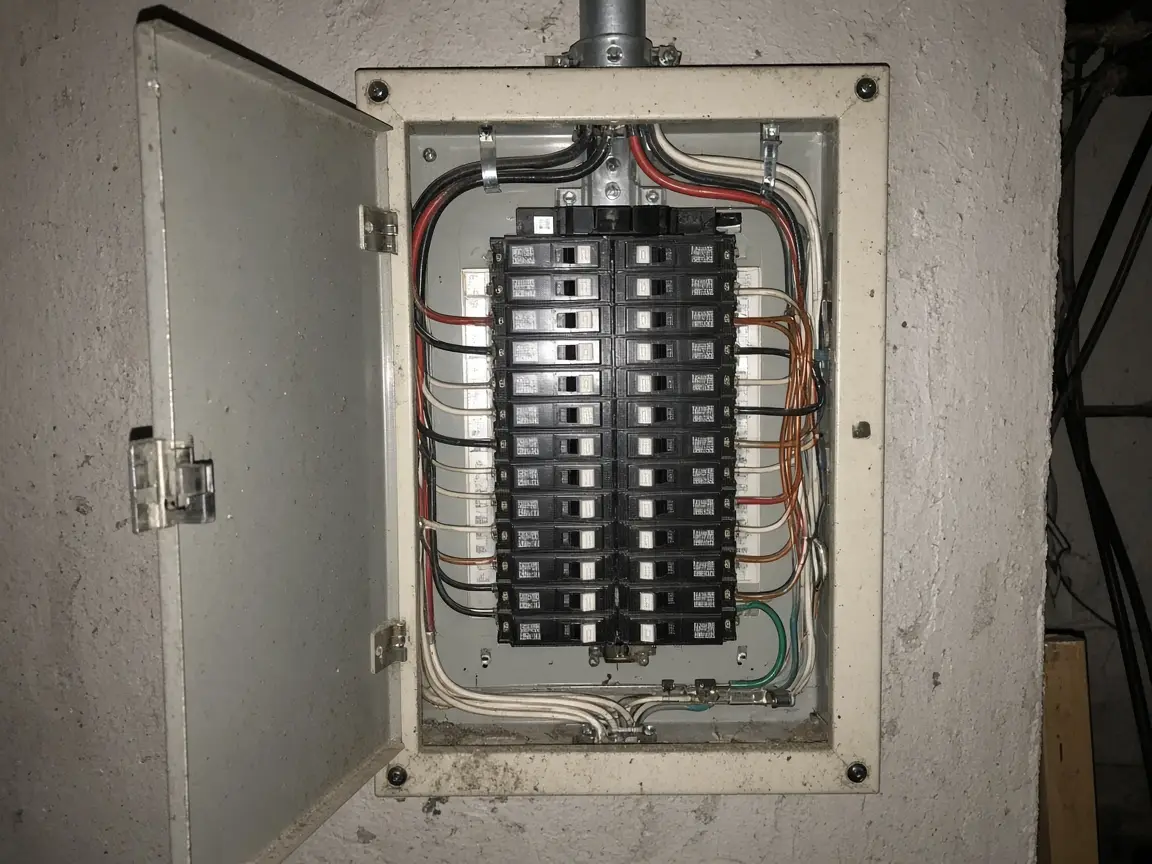
Home electrical panel, the service a heat pump may or may not require upgrading

Do I need a panel upgrade for a heat pump? The honest answer is not automatically. The expensive answer you hear on a sales call is “yes, everyone does.” Those are not the same thing.

A heat pump is a large 240 volt load. It is not a mystery load. An electrician can calculate whether your current service can carry it. That calculation is the only answer that matters.

What actually decides it

Three facts, not a slogan:

  1. Service size. The main breaker is usually 100 or 200 amps. A fuse box is older and almost always too small for a whole-home system.
  2. What the house already runs. An electric range, dryer, water heater and EV charger eat the same service the heat pump wants.
  3. What backup heat you chose. Electric resistance backup is the line item that blows the calculation. A dual fuel setup that keeps the gas or oil system for the coldest week usually does not.

If someone tells you a heat pump requires a 200 amp panel without asking those three questions, they are selling an upgrade, not reading your house.

When a 100 amp panel is often enough

  • Single-zone ductless mini split
  • Two-zone ductless if the calculated load still fits
  • Heat pump with non-electric backup (existing furnace or boiler stays)
  • A house that is not already all-electric

This is why a lot of Northeast oil conversions never touch the panel. The mini split or the dual fuel ducted system adds less peak current than people expect.

When you should budget the upgrade

  • Whole-home ducted heat pump with electric backup heat
  • 100 amp service that already feeds an electric range and dryer
  • Fuse box
  • Plans to add an EV charger or electric water heater in the same project

If two or more of those are true, get the electrical quote before you sign the heat pump contract. A panel discovered after the outdoor unit is on the pad is a much worse conversation.

Cost, if you do need it

A typical 200 amp panel swap is $1,400 to $5,500. A service entrance and meter change is $5,000 to $18,000. The electrical panel upgrade cost page has the drivers.

Some rebate programs treat the panel as an enabling measure and will pay part of it when it is required for the heat pump. They almost never pay for a panel on its own. Ask before you assume.

What to ask on the quote

  • What is the existing service size?
  • Did you run a load calculation, and can I see it?
  • Does this design include electric backup heat?
  • If the panel is short, what is the priced alternative: dual fuel, ductless, or a load-management device?

The calculator adds a panel-upgrade range when you tell it the service is 100 amp or unknown. Treat that as a flag to get an electrician, not as a quote.

A heat pump that fits the existing panel is a cheaper, faster project. A heat pump that needs a new service is still doable. The failure mode is finding that out after you have already signed.

Written by HeatPumpAtlasUSA Editorial , reviewed by HeatPumpAtlasUSA Editorial , and updated . Sources are listed below. If a figure looks wrong, contact editorial.

Ask installers to price this job, not a different one

The range is already on this site, and the calculator will give you a ZIP-level number for free. What you do not have is a bid that uses the same scope. We send your ZIP and that range to installers who work the market, and we tell them to quote that job. You get the emails. You decide.

  • We attach the modeled range so the bid has to price that job, not a sales package
  • You also get a one-page brief you can hand to any contractor you found yourself
  • Phone is optional. No account. If nobody covers your ZIP yet, you still get the brief

Installers pay for the introduction in markets we cover. That is how the site is funded. Read the privacy policy and the money model.

Frequently asked questions

Do I need a panel upgrade for a heat pump?
Not always. A licensed electrician runs a load calculation against your actual service and appliances. A single-zone mini split on a 200 amp panel with spare capacity usually fits. A whole-home ducted heat pump with electric backup on a 100 amp service that already feeds an electric range and dryer often does not.
Can I install a heat pump on a 100 amp panel?
Sometimes. A ductless mini split with one or two heads often fits if there is a spare 240 volt slot and the calculated load stays legal. A whole-home ducted system with electric resistance backup heat is the combination that usually forces the upgrade.
Do I need a 200 amp panel for a heat pump?
Only if the load calculation says the existing service cannot carry the new equipment plus everything you already run. Plenty of heat pumps land on existing 200 amp panels with no service work at all. The 200 amp number is a common recommendation, not a law.
How do I know my panel size?
Look at the main breaker at the top of the panel. The number printed on it, usually 100 or 200, is the service size. A fuse box is almost always too small for a whole-home heat pump. If you cannot find the number, the electrician who quotes the heat pump can read it in a few minutes.
How much does the panel upgrade cost if I do need one?
A straightforward 200 amp panel replacement is about $1,400 to $5,500 installed. If the service entrance, meter or mast also has to change, the range jumps to $5,000 to $18,000. See the electrical panel upgrade cost page for the breakdown.
How do I avoid a panel upgrade?
Choose a ductless system if the house allows it, keep a gas or oil furnace as backup so you skip the electric resistance elements, or use a load-management device that sheds other large loads while the heat pump runs. None of those are tricks. They are normal engineering choices.

Sources and data

Verified

Green dot marks a primary government, program or utility source. Grey dot marks a secondary benchmark or editorial reference. Our full method, including how modelled figures are produced, is on the methodology page.