Dual Fuel Heat Pump: When to Keep the Furnace

Guide

Dual Fuel Heat Pump: When to Keep the Furnace

A dual fuel heat pump runs in mild weather and hands off to a furnace in the cold. In some states it beats both systems alone, and the switchover point is where the money is.

Written by HeatPumpAtlasUSA Editorial Reviewed by HeatPumpAtlasUSA Editorial Updated How we calculate this
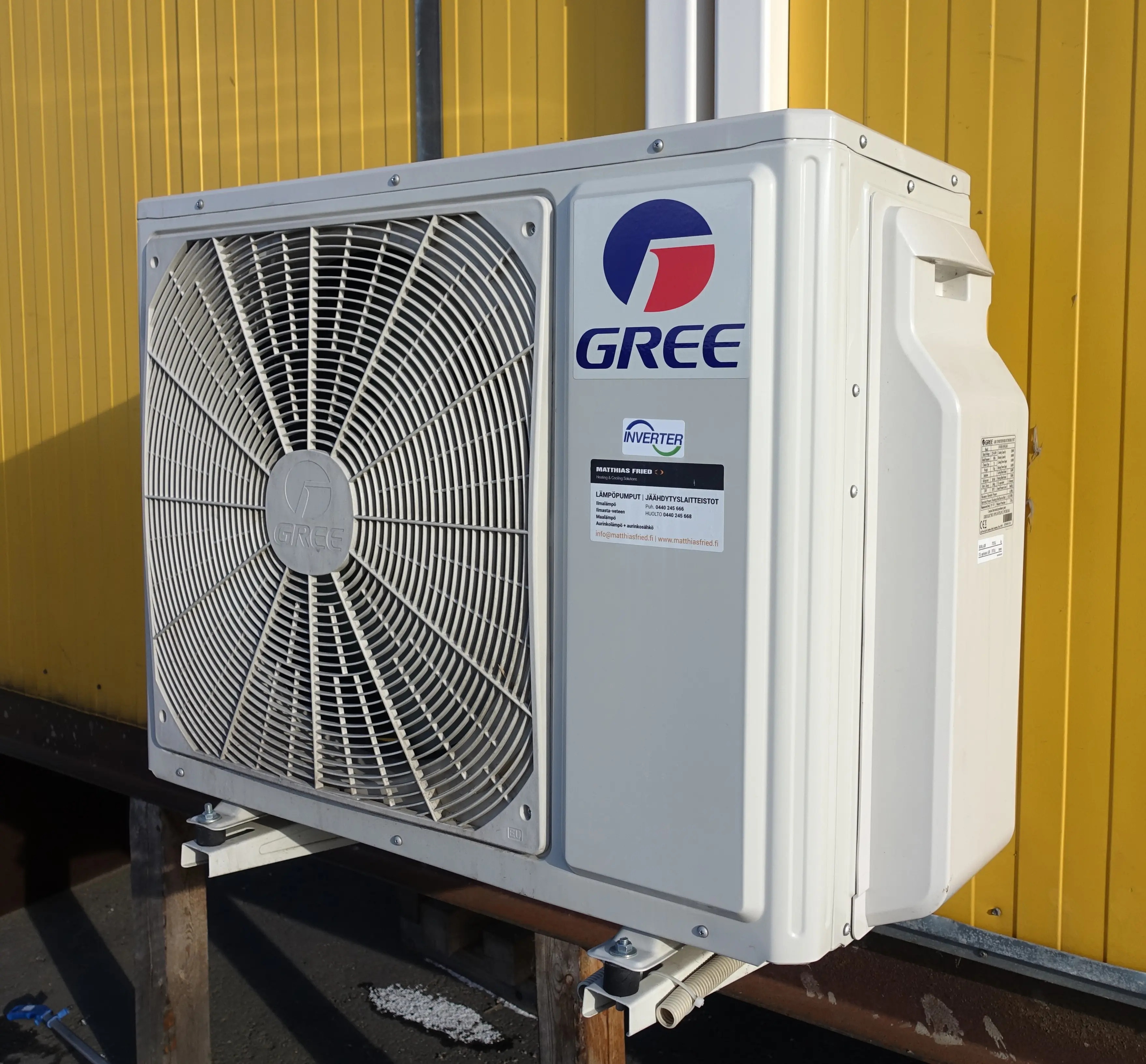
Cold climate heat pump outdoors in winter, paired with a backup furnace

Most heat pump discussions are framed as a choice. In a large part of the country, the better answer is both.

The idea

A dual fuel system pairs an electric heat pump with a combustion furnace and switches between them based on outdoor temperature. Above the switchover point the heat pump runs, because it is efficient and electricity is being converted at a favourable ratio. Below it the furnace runs, because the heat pump’s capacity and efficiency have both declined.

This is not indecision. It is using each machine where its physics are strongest, and in some markets it produces a lower annual cost than either system running alone.

The number that decides everything

The switchover point is called the balance point, and it is the detail that separates a well-designed dual fuel system from an expensive one.

Most contractors set a fixed switchover somewhere between 30 and 35 degrees Fahrenheit. That is a defensible default, and it is also not calculated for your house. The correct balance point depends on:

  • Your electricity price and your gas price, which together set the ratio
  • The efficiency of your specific heat pump at that temperature, which is a curve rather than a number
  • The efficiency of your specific furnace
  • Your climate, which determines how many hours you spend on each side of the line

In a state with cheap gas and expensive electricity, the correct balance point can be considerably higher than the default, which means the furnace should run more often than it does. In a state with cheap electricity, the balance point can be much lower, and a contractor using the default would be running the furnace when the heat pump is cheaper.

The furnace comparison shows the state-level ratio, and the calculator will model your operating costs on either side of the line.

Where dual fuel wins

The pattern is specific. Dual fuel makes sense when three conditions hold:

  1. Electricity is expensive relative to gas. This is the Texas, Utah and Midwest pattern rather than the Pacific Northwest pattern.
  2. The winter is genuinely cold. If the heat pump rarely drops below its efficient range, there is little for the furnace to do.
  3. You already have a serviceable furnace. If you are buying the furnace anyway, the arithmetic changes.

The clearest case is an add-on installation: a heat pump coil installed above a working furnace, letting the heat pump cover the shoulder seasons and the furnace handle January. It is the lowest-cost route into a heat pump system, and it captures most of the efficiency benefit.

Where dual fuel loses

In the Northeast oil states, dual fuel with oil as the backup is usually the wrong arrangement financially. Heating oil delivers heat at roughly $40 per million BTU. A cold-climate heat pump in Maine delivers the same heat at roughly $22. Keeping the oil system in the rotation means running the expensive system instead of the cheap one.

That does not mean removing the oil boiler. Many Maine households keep it as an emergency backup through the first winter, which costs nothing and provides a hedge. The distinction is between a backup that exists and a backup that runs, and only the second one costs money.

What to ask your contractor

Ask for the balance point calculation, not just the switchover temperature. A contractor who can walk you through the ratio of your electricity price to your gas price, and show you where the two systems cross, understands the system they are selling.

Also confirm how the rebate program classifies your installation. Many programs pay less for hybrid or partial installations than for whole-home heat pump systems, and that classification can be worth several thousand dollars. Check the rebates hub for how the programs in your state treat hybrid configurations.

If you are in a state where the heat pump wins on running cost outright, dual fuel adds complexity for no benefit. Run the calculator first and find out which situation you are in.

Written by HeatPumpAtlasUSA Editorial , reviewed by HeatPumpAtlasUSA Editorial , and updated . Sources are listed below. If a figure looks wrong, contact editorial.

Ask installers to price this job, not a different one

The range is already on this site, and the calculator will give you a ZIP-level number for free. What you do not have is a bid that uses the same scope. We send your ZIP and that range to installers who work the market, and we tell them to quote that job. You get the emails. You decide.

  • We attach the modeled range so the bid has to price that job, not a sales package
  • You also get a one-page brief you can hand to any contractor you found yourself
  • Phone is optional. No account. If nobody covers your ZIP yet, you still get the brief

Installers pay for the introduction in markets we cover. That is how the site is funded. Read the privacy policy and the money model.

Frequently asked questions

What is a dual fuel heat pump system?
It pairs an electric heat pump with a combustion furnace, usually gas but sometimes propane or oil, and switches between them based on outdoor temperature. Above a set temperature the heat pump runs because it is efficient and cheap to operate. Below it the furnace runs, because the heat pump has lost both capacity and efficiency. The system needs a compatible thermostat or a control board that can stage the two heat sources.
Is dual fuel more expensive than a heat pump alone?
The equipment cost is similar if you already have a functional furnace you are keeping. If you are buying both new, it is more expensive than either system alone. The reason to do it is operating cost, not equipment cost: in states where gas is cheap and electricity is expensive, the furnace run hours in deep winter can be substantially cheaper than heat pump run hours.
What is the balance point and how do I find mine?
The balance point is the outdoor temperature at which the cost of heating with the heat pump equals the cost with the furnace. It depends on your electricity price, your gas price, the efficiency of both units, and how much the heat pump capacity falls off in the cold. Most contractors set a fixed switchover of 30 to 35 degrees Fahrenheit. That is a reasonable default but it is not calculated, and the right answer can be 15 degrees or 45 depending on your rates.
Which states benefit most from dual fuel?
States with cheap natural gas and expensive electricity, plus a real winter. That describes parts of the Midwest and the mid-Atlantic. In the Northeast oil states, dual fuel with oil as the backup is usually a worse financial arrangement than a heat pump alone, because oil is so expensive per unit of heat. In those markets, keeping the oil system as an emergency backup through one winter is a hedge, not an economic strategy.
Does dual fuel qualify for heat pump rebates?
Sometimes, but usually at a lower tier. Many programs distinguish between whole-home installations, where the heat pump is the primary system, and partial or hybrid installations. A dual fuel system is often classified as the latter, which reduces the rebate. Check the program rules before choosing the configuration for rebate reasons.
Can I add a heat pump to my existing furnace?
Frequently yes, and it is usually the cheapest route into a heat pump system. An add-on coil above an existing furnace lets the heat pump handle mild weather while the furnace handles deep winter. The feasibility depends on the furnace being in good condition, having compatible airflow, and the electrical service supporting the outdoor unit. It is worth pricing before you assume you need a full replacement.

Sources and data

Verified

Green dot marks a primary government, program or utility source. Grey dot marks a secondary benchmark or editorial reference. Our full method, including how modelled figures are produced, is on the methodology page.