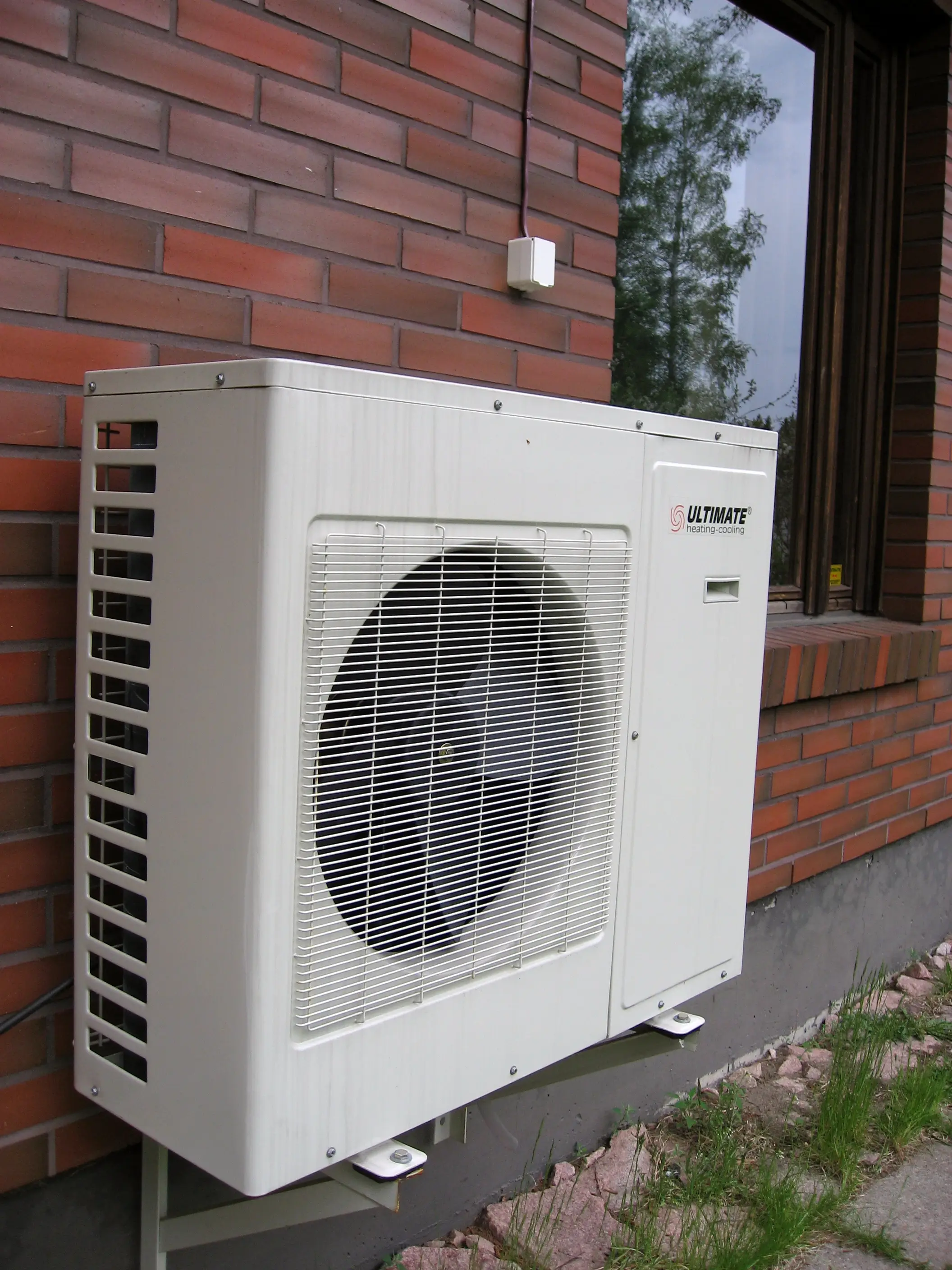
Both are heat pumps. The difference is where they gather heat. An air source unit pulls it from outdoor air. A geothermal (ground source) unit pulls it from the ground through a buried loop. Geothermal is more efficient, quieter and longer-lived, and it costs two to four times as much to install. The whole comparison is whether that efficiency is worth the premium for your climate and rates.
Why geothermal is more efficient
The ground a few feet down stays at a stable temperature all year, far warmer than winter air and cooler than summer air. Because a geothermal system exchanges heat with that stable ground rather than with freezing air, it never faces the deep-cold conditions that cut an air source unit’s capacity and efficiency in January.
The result is higher and steadier efficiency, and it shows up most in cold climates, exactly where an air source unit is working hardest. A geothermal system does not care that it is minus 10 outside, because it is not talking to the outside air.
Why it costs so much more
The efficiency comes from the ground loop, and the ground loop is the expense. Installing it means either drilling vertical boreholes or excavating horizontal trenches across your lot, then connecting the buried pipe to the indoor equipment. That work is disruptive and site-specific, and it is why geothermal typically runs two to four times an air source install.
Your lot, soil and available space drive the number. A property with room for horizontal trenches is cheaper to loop than a tight urban lot that requires deep vertical bores.
When geothermal is worth it
The payback case lines up when three things are true:
- High heating demand. A genuinely cold climate with many heating hours gives the efficiency edge more time to compound.
- Relatively high electricity prices. The more each kilowatt-hour costs, the more the efficiency gain is worth.
- You plan to stay. The payback horizon is long, so the value accrues to a long-term owner, not someone moving in five years.
New construction also helps, because the loop can go in before landscaping and the cost of excavation is lower when the site is already open.
When air source is the smarter buy
In mild and moderate climates, or where electricity is cheap, the geothermal premium is hard to recover. A modern cold-climate air source system captures most of the operating benefit of electrification at a fraction of the upfront cost, and it qualifies for the same rebates in most programs. For the large majority of retrofits, air source is the pragmatic choice.
Side by side
| Factor | Air source | Geothermal |
|---|---|---|
| Heat source | Outdoor air | Stable ground temperature |
| Efficiency | High, drops in deep cold | Higher and steadier |
| Install cost | $9,500 to $22,000 ducted | Roughly 2x to 4x air source |
| Disruption | Outdoor unit and lineset | Drilling or trenching the lot |
| Equipment life | 12 to 18 years | Loop 50+ years, indoor gear long |
| Best case | Most retrofits | Cold climate, high rates, long stay |
Bottom line
Geothermal is the better machine and the bigger cheque. It earns its premium in cold climates with high electricity prices and a long ownership horizon, and especially in new construction where the loop is cheaper to install. Everywhere else, a cold-climate air source system delivers most of the benefit for far less money. Compare the running costs for your state on the operating cost page, and use the calculator to see what an air source switch looks like before you price a ground loop.
Written by HeatPumpAtlasUSA Editorial , reviewed by HeatPumpAtlasUSA Editorial , and updated . Sources are listed below. If a figure looks wrong, contact editorial.