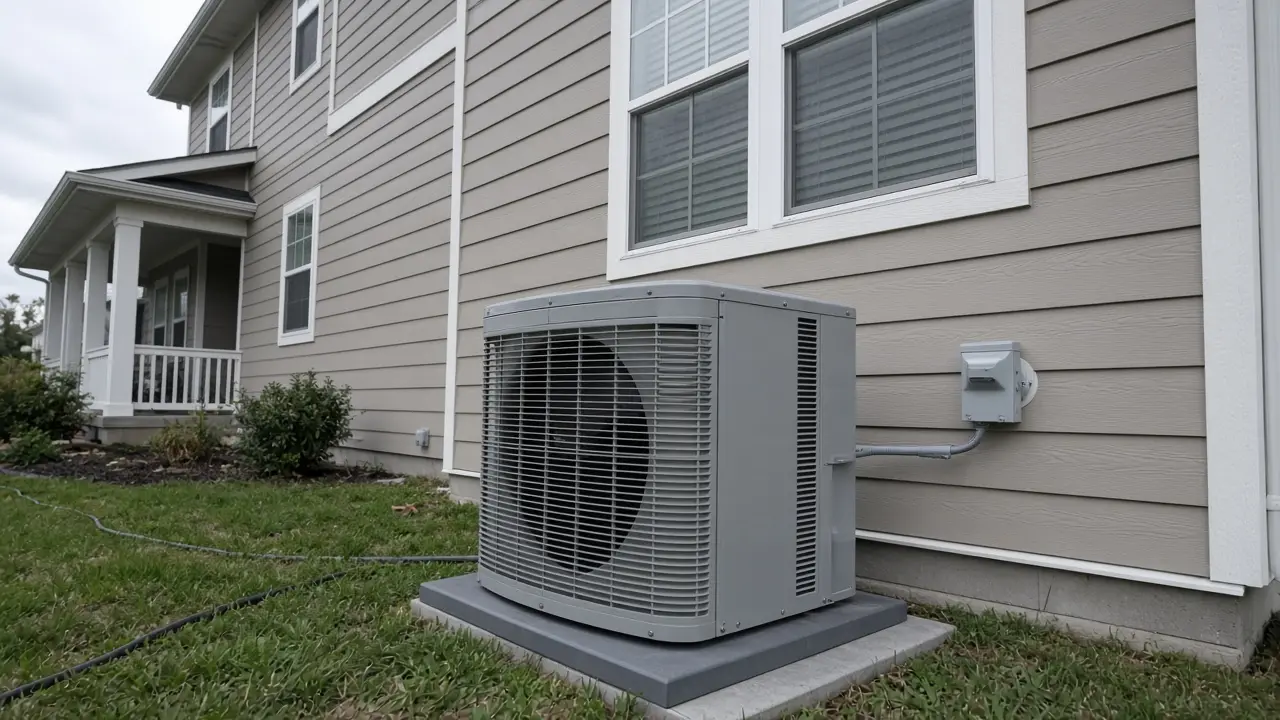
Are heat pumps worth it? Short answer: almost always yes if you heat with oil, propane or electric baseboard, and it is a genuine question if you heat with cheap natural gas. The equipment is the same either way. What changes the answer is the fuel you are replacing, the price of electricity where you live, and how cold your winters get.
The three things that decide it
Everything else is detail. Three variables set the outcome.
- The fuel you burn today. A heat pump moves heat instead of making it, so it delivers three to four units of heat for every unit of electricity. That efficiency wins easily against fuels that are expensive per unit of delivered heat.
- Your electricity price. The heat pump runs on electricity, so a high residential rate erodes its advantage. This is why the same machine looks brilliant in one state and marginal in another.
- Your climate. More cold hours means more heating runtime to spread the savings across, which usually helps the heat pump, as long as it is a cold-climate model sized correctly.
The operating cost page shows how these combine state by state, and the calculator resolves them for your exact ZIP.
When a heat pump is clearly worth it
- You heat with oil. Heating oil delivers heat at roughly $40 per million BTU. A cold-climate heat pump in the Northeast does it for about half that. This is the strongest case in the country, which is why oil-heavy states like Maine top our switching-pressure ranking.
- You heat with propane. Propane is expensive per unit of heat almost everywhere, so the running-cost cut is large.
- You heat with electric resistance. Baseboard and electric furnaces convert one unit of electricity into one unit of heat. A heat pump gets three to four. Switching cuts the heating portion of the bill by roughly two thirds. See heat pump vs electric baseboard.
- Your air conditioner is on its last legs. A heat pump is an air conditioner that also heats. If you were about to spend on a new AC, the heating capability comes at a modest premium rather than a full second system.
When it is a real question
- You have cheap natural gas and mild winters. In parts of the Midwest, Mountain West and South, a modern gas furnace burning inexpensive gas can be cheaper to run than a heat pump on average-priced electricity. The heat pump vs furnace comparison shows exactly where the line falls.
- Your gas furnace is new and healthy. Replacing a working furnace early rarely pays back on running cost alone in a cheap-gas state. A dual fuel setup that keeps the furnace for the coldest snaps can be the smarter middle path.
The rebate math changes the picture
Sticker price and running cost are only two of the three levers. The third is incentives. A utility or state rebate can take several thousand dollars off the install, which shortens payback and sometimes flips a marginal case into a clear yes.
The catch is that these programs fund out during the year and get paused. We only count a rebate in your total if it is actually open, and we label the ones that are reserved. Check the rebates hub for what is live in your state before you assume the incentive is there.
What payback actually looks like
If you are replacing oil or propane, the annual saving is large and payback is usually short once rebates are applied. If you are replacing a working gas furnace to save money, be honest with yourself: payback can be long, and in the cheapest-gas states it may not arrive at all on running cost alone.
The cleanest financial case is rarely a like-for-like heating swap. It is the household that needed cooling anyway, or was facing a fuel delivery it hates, or has a rebate on the table this year.
Bottom line
Do not answer “are heat pumps worth it” in the abstract. Answer it for your fuel, your rate and your climate. If you burn oil, propane or electric resistance, the answer is almost certainly yes. If you burn cheap gas, model it before you commit.
Run your ZIP through the calculator and you will get an installed cost range, a running-cost comparison against your current fuel, the open rebates in your state, and a payback figure, including the cases where it tells you to keep what you have.
Written by HeatPumpAtlasUSA Editorial , reviewed by HeatPumpAtlasUSA Editorial , and updated . Sources are listed below. If a figure looks wrong, contact editorial.