Guides
Heat pump guides: worth it, sizing and cold weather
Long-form heat pump guides on cost, whether they are worth it, cold weather, sizing, your electric bill and whether you need a panel upgrade. Each one is sourced, dated, and written by HeatPumpAtlasUSA Editorial.
Who writes this
HeatPumpAtlasUSA Editorial . Not a contractor, not a manufacturer, not a lead mill.
What every guide shows
A written-by line, a last updated date, a sources list, and a link to the methodology.
What we will say
If a furnace, a 100 amp panel, or staying on oil is the cheaper answer, the guide says so.
These heat pump guides exist so you can answer the question you actually typed before you talk to a contractor. Use search or a topic filter to jump to sizing, cold weather, bills or electrical work. For a ZIP-level number, go to the heat pump cost calculator.
The guide library
Ten long-form answers. Search titles, questions and topics, or filter by basics, comparisons, sizing, electrical and operating cost.
Filter by topic
Showing 10 of 10 guides
-
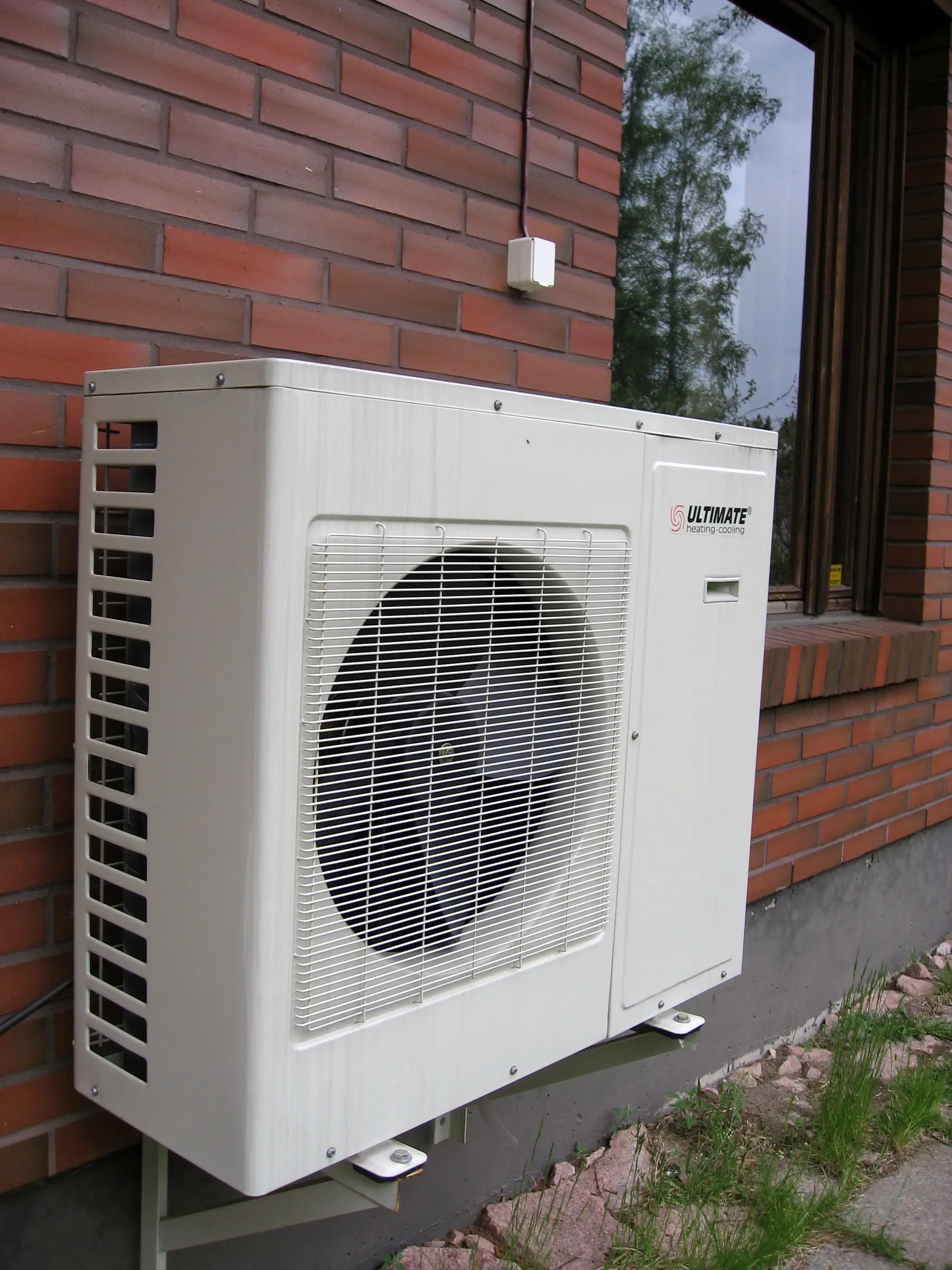 Comparisons Air Source vs Geothermal Heat Pump Geothermal is the more efficient machine and the much bigger cheque. It earns the ground-loop premium in cold climates with high electricity prices and a long ownership horizon. For most retrofits, a cold-climate air source system captures most of the benefit for far less money. Posted Sep 14, 2026 Updated Sep 14, 2026 Reviewed by HeatPumpAtlasUSA Editorial
 -
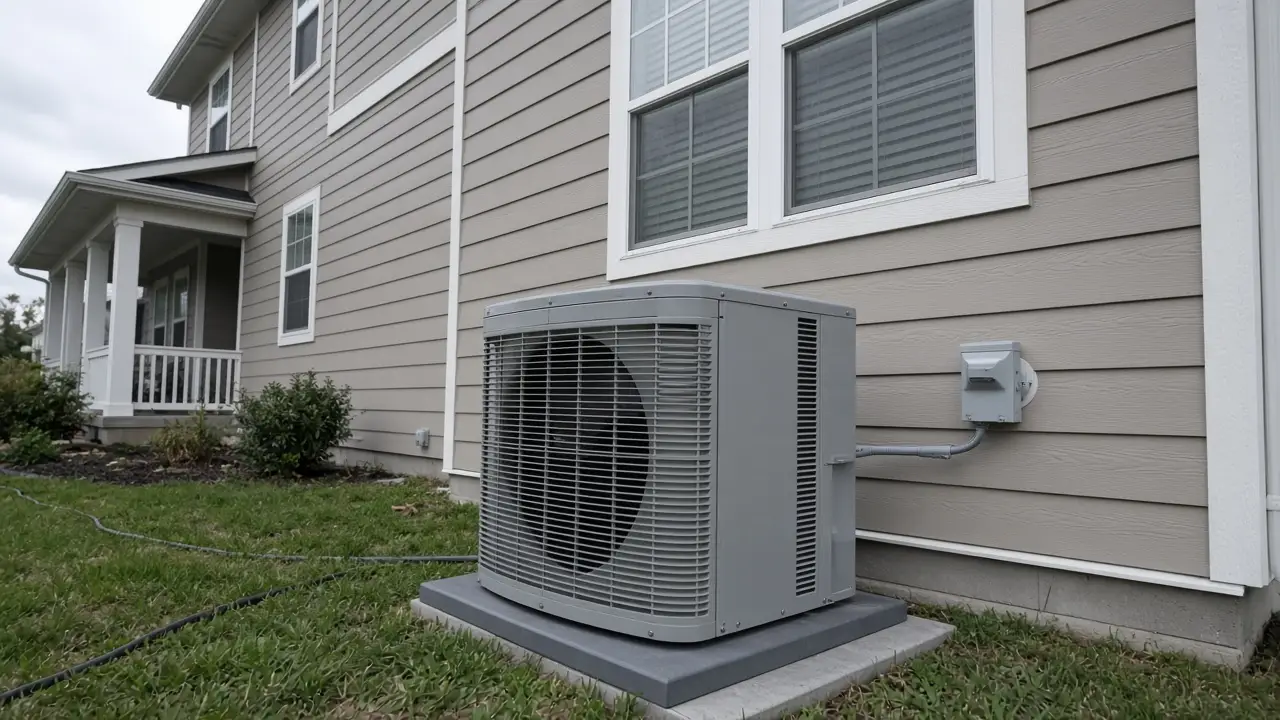 Basics Are Heat Pumps Worth It in 2026? A heat pump is usually worth it when you heat with oil, propane or electric resistance. Against cheap natural gas the furnace can still win on the monthly bill. The honest answer is your fuel, your electricity price and how cold your winters actually are, not a national average. Posted Sep 14, 2026 Updated Sep 14, 2026 Reviewed by HeatPumpAtlasUSA Editorial
 -
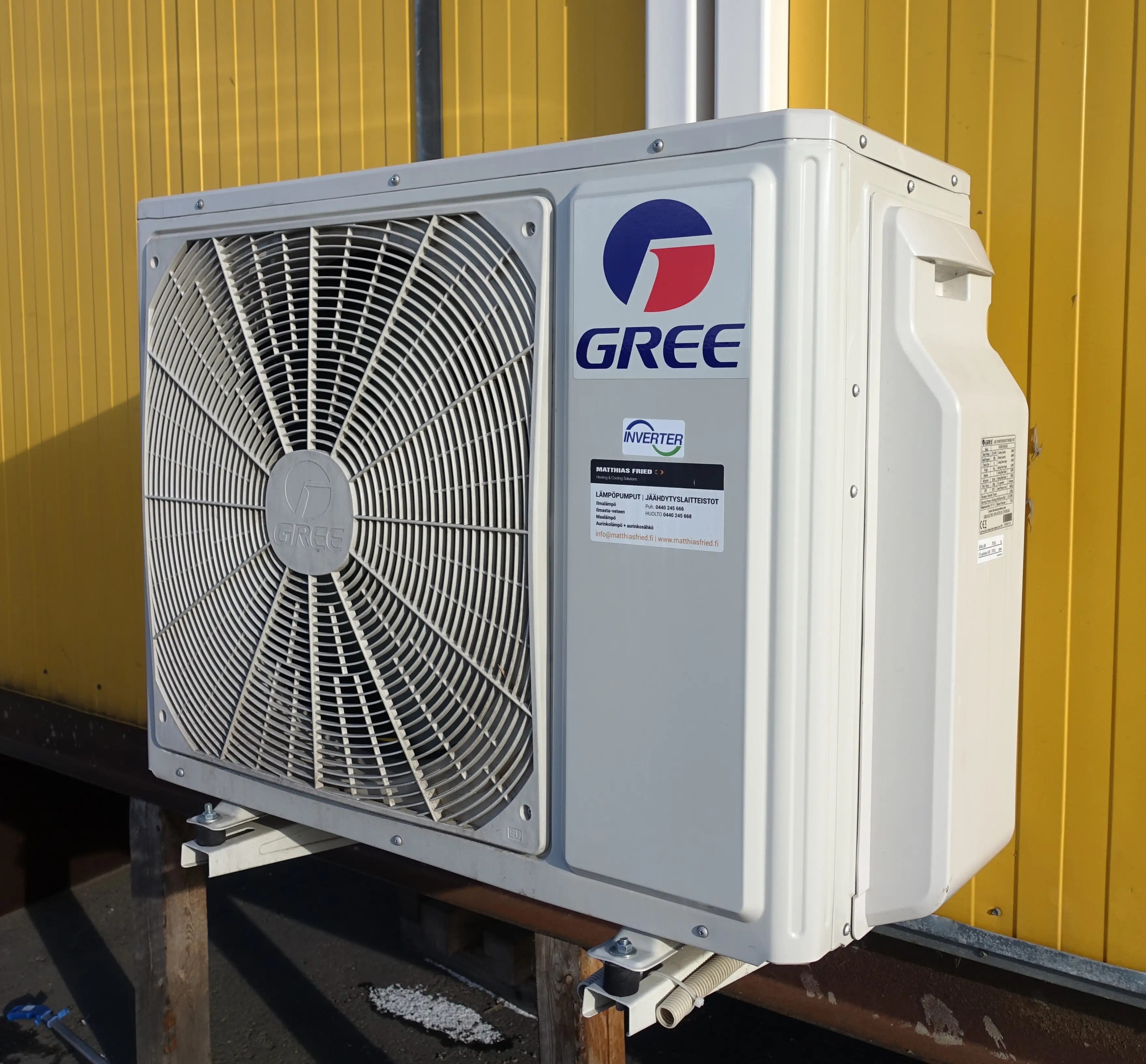 Basics Do Heat Pumps Work in Cold Weather? Yes. A modern cold-climate heat pump keeps producing useful heat well below zero Fahrenheit. The real question is how much capacity it loses as it gets colder, what backup you keep, and whether oil, propane or cheap gas is still cheaper on the worst nights. Posted Sep 14, 2026 Updated Sep 14, 2026 Reviewed by HeatPumpAtlasUSA Editorial
 - Comparisons Dual Fuel Heat Pump: When to Keep the Furnace Dual fuel keeps the furnace for the coldest snaps and runs the heat pump the rest of the year. In cheap-gas states that split can beat either system alone. The money is in the outdoor switchover temperature, a number most quotes never actually calculate. Posted Sep 14, 2026 Updated Sep 14, 2026 Reviewed by HeatPumpAtlasUSA Editorial
-
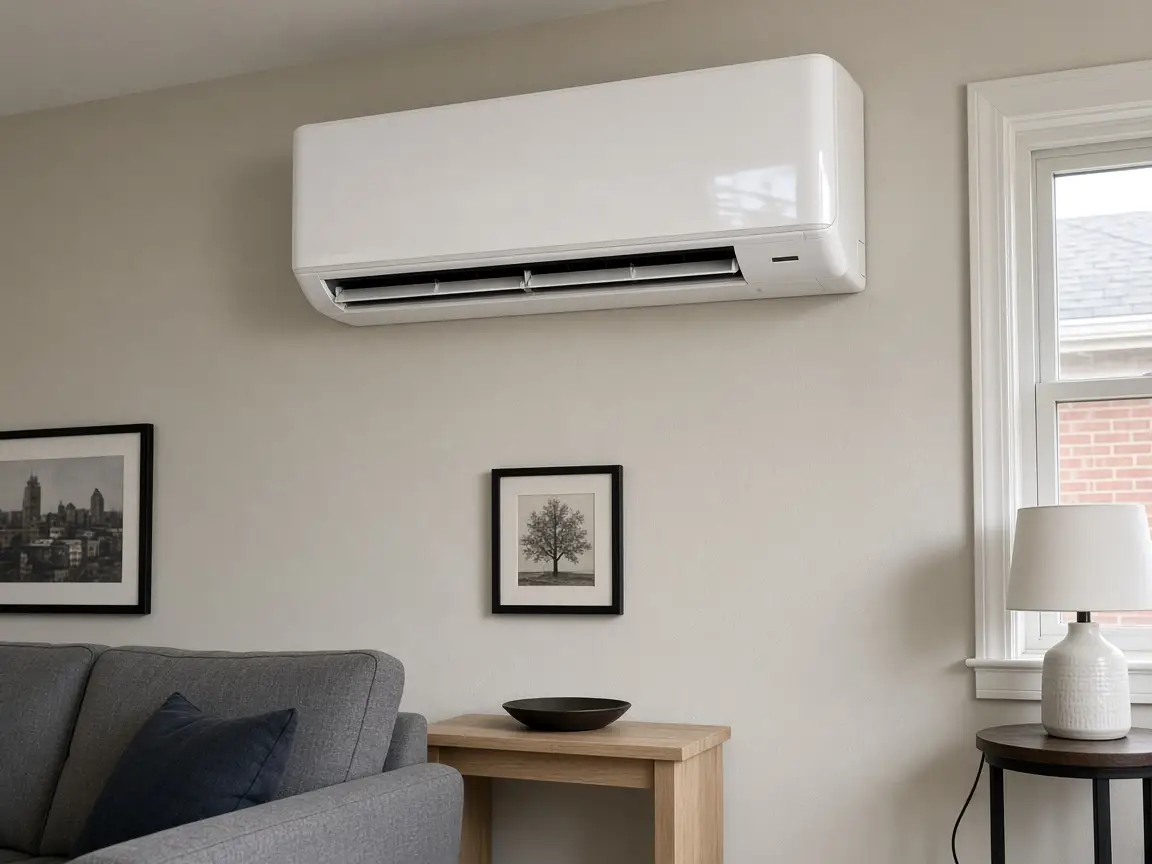 Comparisons Ducted vs Ductless Heat Pump If your ducts are already in good shape, a ducted heat pump is usually the cheaper whole-home swap. If you have no ducts, or they leak into an attic, a mini split avoids thousands in new ductwork. The house, not the brand, decides which layout you want. Posted Sep 14, 2026 Updated Sep 14, 2026 Reviewed by HeatPumpAtlasUSA Editorial
 - Comparisons Will a Heat Pump Raise My Electric Bill? Your electric bill will rise. That is not the question. The question is whether the gas, oil or propane line falls by more than the electric line rises. This guide shows how to read both bills together before you commit. Posted Sep 14, 2026 Updated Sep 14, 2026 Reviewed by HeatPumpAtlasUSA Editorial
- Comparisons Heat Pump vs Electric Baseboard Electric baseboard turns one unit of electricity into one unit of heat. A heat pump turns one unit into three or four. That is why this switch often cuts the heating portion of the bill by about two thirds, and why it is the cleanest payback case in the category. Posted Sep 14, 2026 Updated Sep 14, 2026 Reviewed by HeatPumpAtlasUSA Editorial
- Comparisons Heat Pump vs Pellet Stove A pellet stove is cheap heat for one main room if you can source cheap pellets and do the daily work. A heat pump costs more up front, heats and cools the whole house, and does not need a hopper. They solve different jobs, which is why a side-by-side bill comparison still matters. Posted Sep 14, 2026 Updated Sep 14, 2026 Reviewed by HeatPumpAtlasUSA Editorial
-
 Sizing What Size Heat Pump Do I Need? Size from a Manual J load calculation, not a square-foot rule of thumb. Oversizing is the more common mistake: short cycling, poor dehumidifying and a higher bid. This guide covers tonnage, design temperature and what to ask before you sign. Posted Sep 14, 2026 Updated Sep 14, 2026 Reviewed by HeatPumpAtlasUSA Editorial
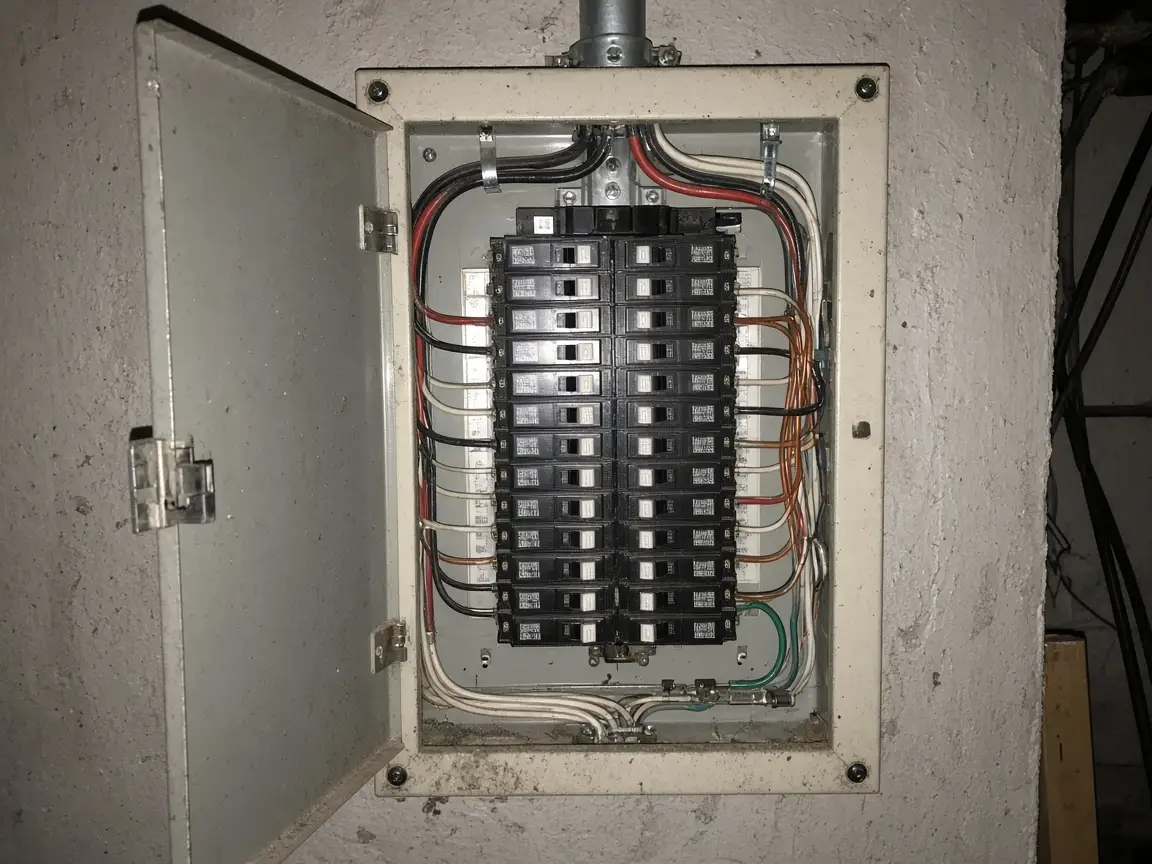
 - Electrical Do I Need a Panel Upgrade for a Heat Pump? A heat pump does not automatically need a 200 amp panel. A load calculation against your service and appliances decides it. This guide covers when a 100 amp panel is enough, when it is not, and how to keep the upgrade off the bid. Posted Sep 14, 2026 Updated Sep 14, 2026 Reviewed by HeatPumpAtlasUSA Editorial
How these guides are written
A heat pump guide on this site has to survive the same test as the calculator: if the honest answer is no, we publish no.
Pages are written by HeatPumpAtlasUSA Editorial and reviewed against the published sources listed below. We do not invent a named HVAC expert, and we do not hide the commercial model. Installer referrals pay for the site in a few markets. That only works if homeowners are not talked into bad projects.
- Every guide carries a written-by line, a last updated date, and a sources list with outbound links.
- Primary government, program and utility sources are marked separately from secondary benchmarks.
- Rebate amounts that appear in a guide are planning inputs. Confirm them with the program before you sign.
- We do not quote the expired federal 25C tax credit as if it were current for a 2026 install.
The full method, including what the model cannot know, is on the methodology page. Corrections go to the editorial desk.
Frequently asked questions
What heat pump guides do you publish?
Are heat pumps worth it in 2026?
Do heat pumps work in cold weather?
What size heat pump do I need?
Do I need a panel upgrade for a heat pump?
Will a heat pump raise my electric bill?
How are these heat pump guides researched?
How often are the guides updated?
Sources and data
Verified
-
Electric Power Monthly, Table 5.6.A: average price of electricity by state · US Energy Information Administration
Residential electricity price by state. June 2026 release used across the site.
-
Natural gas prices, residential sector by state · US Energy Information Administration
Residential natural gas price per thousand cubic feet. May 2026 used for operating cost comparisons.
-
Heating oil and propane prices · US Energy Information Administration
Weekly Northeast heating oil and propane reference prices.
-
Population-weighted heating degree day data, state monthly summaries · NOAA Climate Prediction Center
Season heating degree days used to scale the modelled heating load.
-
American Community Survey, table B25040: house heating fuel · US Census Bureau
Share of homes heating with utility gas, fuel oil, propane and electricity.
-
ResStock building stock datasets · National Renewable Energy Laboratory
End-use load profiles and heat pump upgrade packages by climate and vintage.
-
Home energy rebates and upgrades · US Department of Energy
Federal HEAR and HOMES program structure and eligible measures.
-
ENERGY STAR savings calculator · ENERGY STAR
Consumer-facing comparison tool used as a calculator benchmark.
-
Here's how much heat pumps cost to install · Rewiring America
Published whole-home and single-zone installed cost ranges, used as a benchmark for our bands.
-
Pros and cons of a panel upgrade · Rewiring America
Typical panel upgrade cost range used in the electrical adder model.
Green dot marks a primary government, program or utility source. Grey dot marks a secondary benchmark or editorial reference. Our full method, including how modelled figures are produced, is on the methodology page.
Ask installers to price this job, not a different one
The range is already on this site, and the calculator will give you a ZIP-level number for free. What you do not have is a bid that uses the same scope. We send your ZIP and that range to installers who work the market, and we tell them to quote that job. You get the emails. You decide.
- We attach the modeled range so the bid has to price that job, not a sales package
- You also get a one-page brief you can hand to any contractor you found yourself
- Phone is optional. No account. If nobody covers your ZIP yet, you still get the brief